Product development capabilities
What a pet product project may involve
This is the set of areas we can evaluate and coordinate on a project.
It is not a claim that every one of them is already proven in-house for
every product.
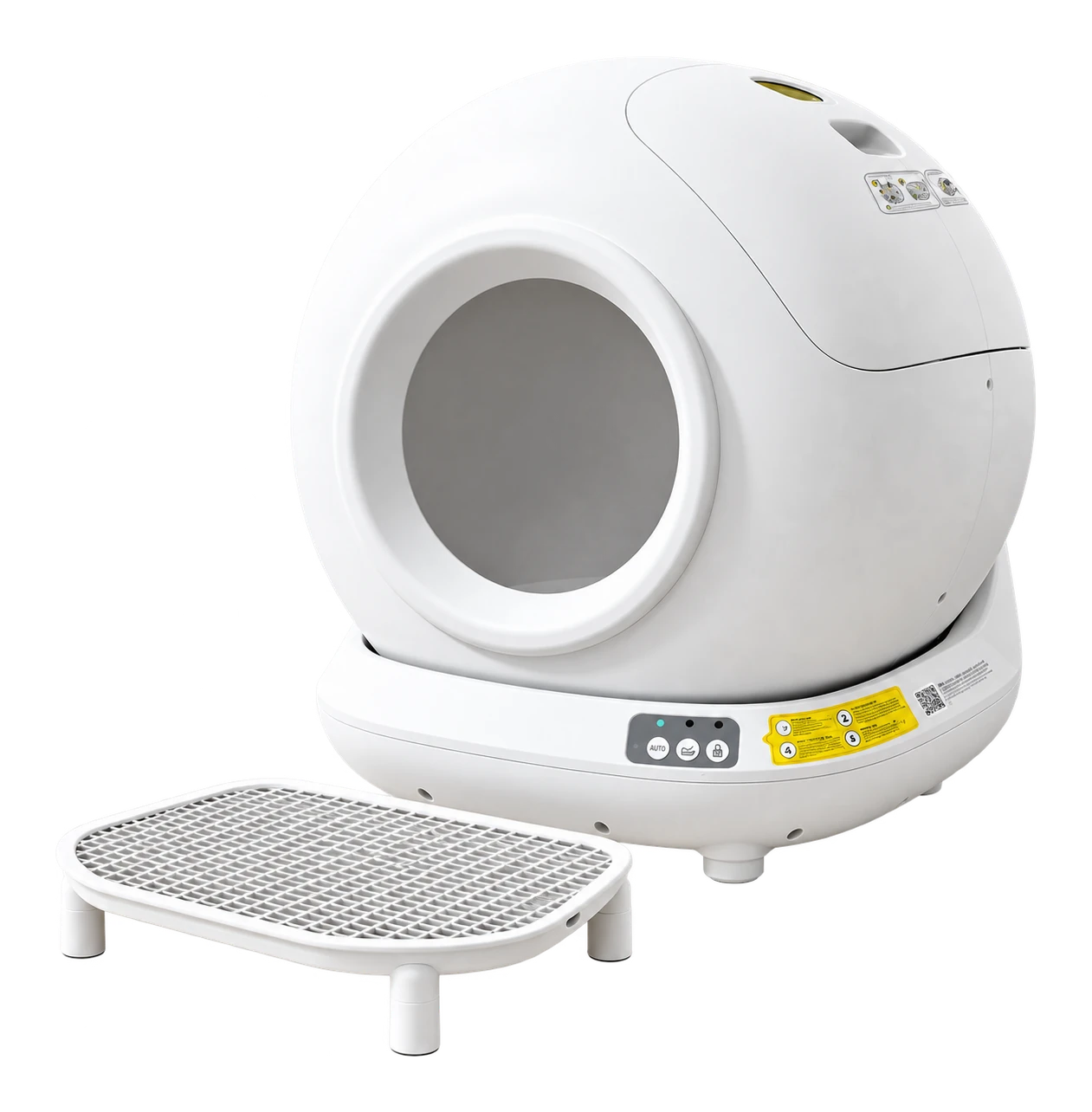
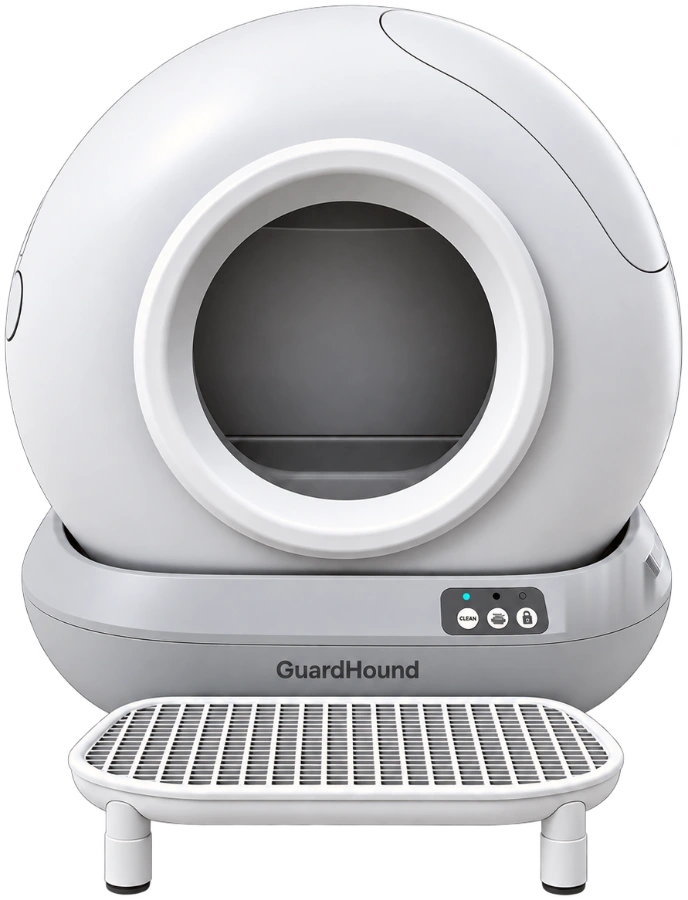
Industrial DesignForm & CMF
Product form, CMF direction, the human–pet interaction and the overall appearance language.
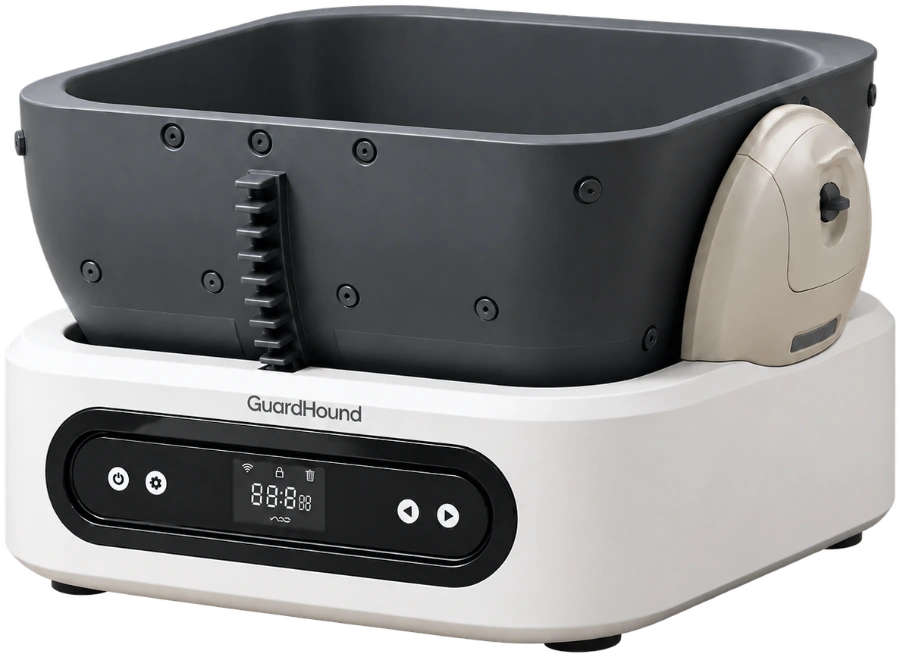
Mechanical EngineeringStructure
Structure breakdown, assembly relationships, tooling and design-for-manufacture review — what decides whether the product can be built consistently.
ElectronicsHardware
Control architecture, main control and drive, power and interface design, and the mechanical fit around the electronics.
FirmwareEmbedded
Control logic, sensor sampling and decision thresholds, run-state and fault handling, and the update path.
IoT / App IntegrationConnectivity
Protocol selection, how device and app act on each other, network setup flow, data logging and remote control.
SensorsSensing
Choosing a sensing approach per function — weight, infrared, photoelectric, water level, temperature and humidity — then calibrating it in the real use case.
AI / VisionRecognition
How image recognition, pet behaviour detection and cat-face recognition are implemented on a specific product, and the compute trade-off that comes with it.
RFID / IdentificationMulti-pet
Identity and multi-pet separation: tag approach, read distance and mounting position, and how the data is returned.
Packaging DevelopmentRetail ready
Carton structure, inserts and transit protection, artwork and multilingual copy, and where compliance labelling has to sit.
Scope boundary
These are development areas we can evaluate and coordinate, not a statement
that all of them apply to every project. What a specific project actually covers
depends on platform maturity, the target market's requirements and the project's
own conditions. We assess it case by case after the requirement is confirmed, and
put the conclusion in writing in the specification before moving on.