Quality Management

Quality, controlledat every stage.

From incoming materials and production checks to functional verification, packaging review and pre-shipment inspection, GuardHound manages quality through defined checkpoints throughout the supply process.

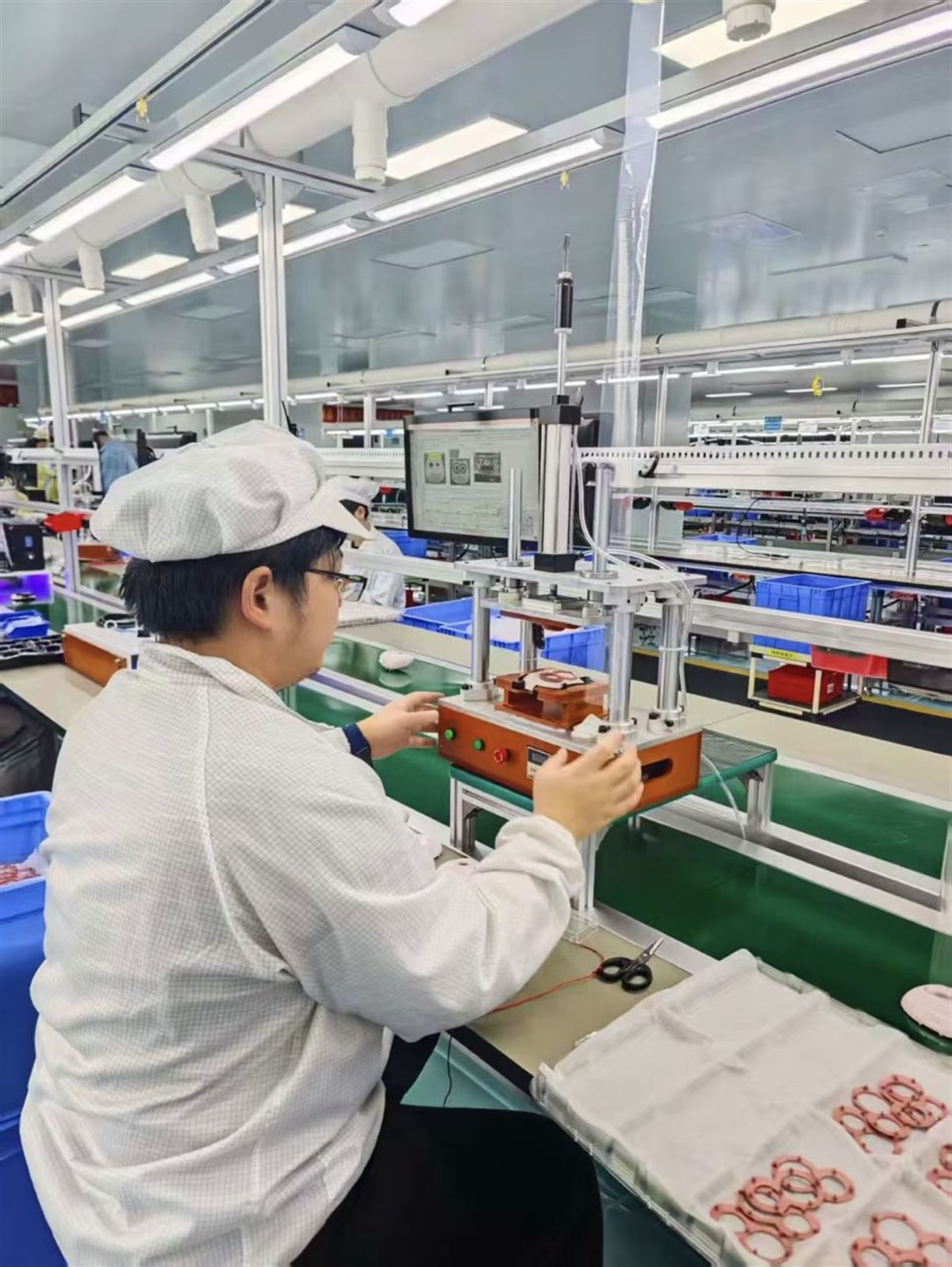
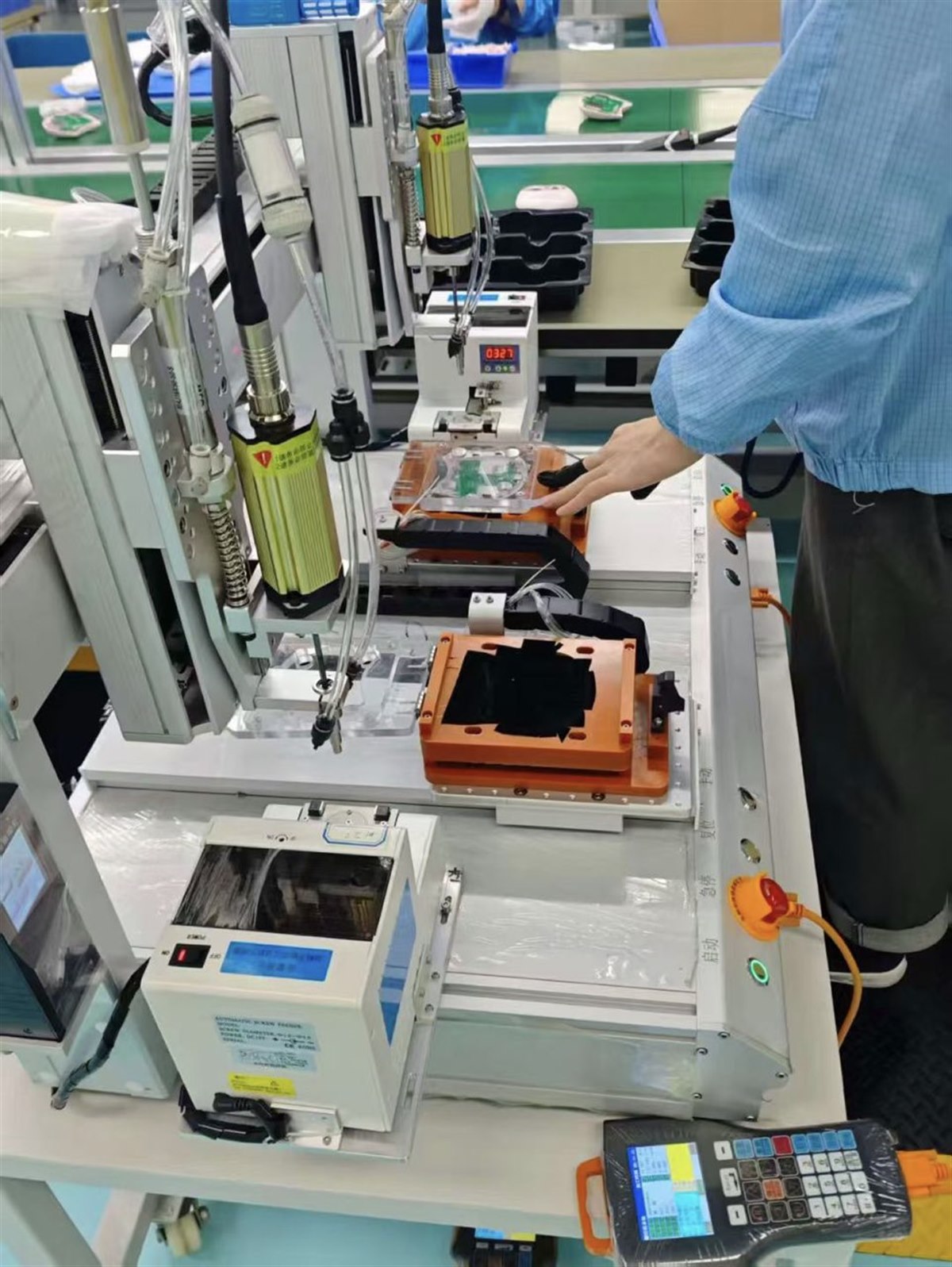
Operator running an air-leak tightness test at a smart pet appliance production line test station
Air-leak tightness test · smart litter box production
02 · The method

Quality is not a final checkpoint.

Control starts when a requirement is confirmed, not when a container is loaded. Every order moves through the same defined checkpoints, and each stage has a named owner and a pass condition. Below is the sequence GuardHound applies to a production programme.

01
Requirements

Specification, market, target price and acceptance criteria confirmed before tooling or a PO is released.

02
Incoming Check

Components, electronics and materials checked against the approved sample and specification on receipt.

03
In-Process Control

Assigned checks at defined points along the line, so a defect is caught at the station that caused it.

04
Functional Verification

Units are powered and exercised — motors, sensors, controls, supply and moving assemblies.

05
Final Inspection

Finished goods reviewed for appearance, assembly consistency and completeness against the approved sample.

06
Packaging Review

Contents, accessories, labels, documents and transport protection verified before cartons are sealed.

07
Pre-Shipment Check

Quantity, carton condition and selected functional checks confirmed before the goods leave the facility.
Why the order matters: a leak, a mis-wired sensor or a missing accessory is cheapest to fix at the station that produced it. Each checkpoint exists to stop a fault travelling to the next one — which is why this is a process, not an end-of-line inspection.
03 · Scope

What we check.

Four families of check cover most pet product programmes. Which ones apply, and how deeply, is agreed per project — a plastic accessory and a mains-powered smart appliance do not carry the same risk.

Product & Assembly

  • Structural integrity and joint security
  • Assembly consistency against the approved sample
  • Presence and correct fitting of key components
  • Appearance — scratches, flash, colour and finish

Functional Performance

  • Power-up and stable operation under load
  • Controls, buttons and app pairing behaviour
  • Sensor response and trigger thresholds
  • Moving mechanisms, motors and drive assemblies

Material & Finish

  • Colour and surface finish consistency
  • Material and wall thickness against specification
  • Dimensional consistency across the batch
  • Cleanliness and freedom from residue

Packaging

  • Contents complete and correctly configured
  • Labels, barcodes and market-specific markings
  • Accessories, manuals and inserts present
  • Transport protection adequate for the shipping mode
04 · Evidence

Real checks. Real evidence.

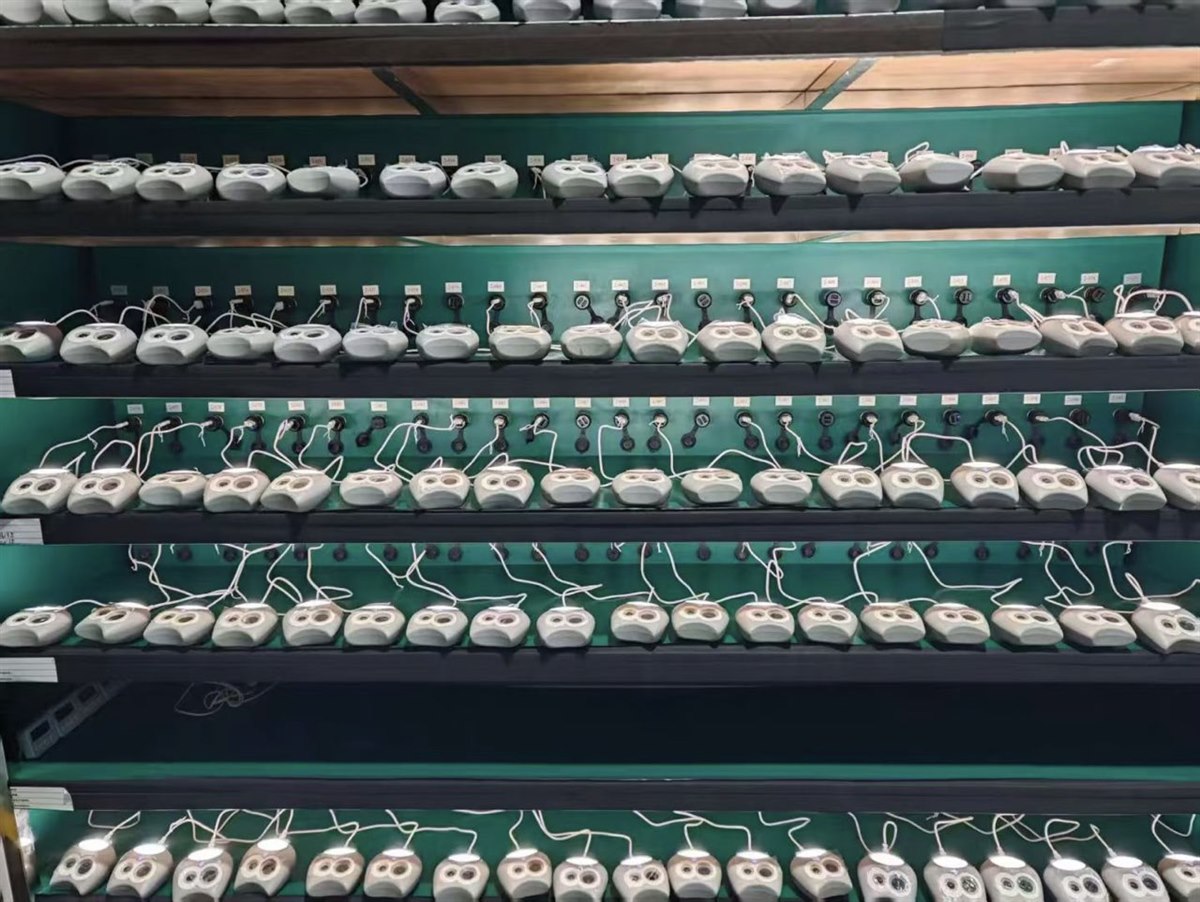
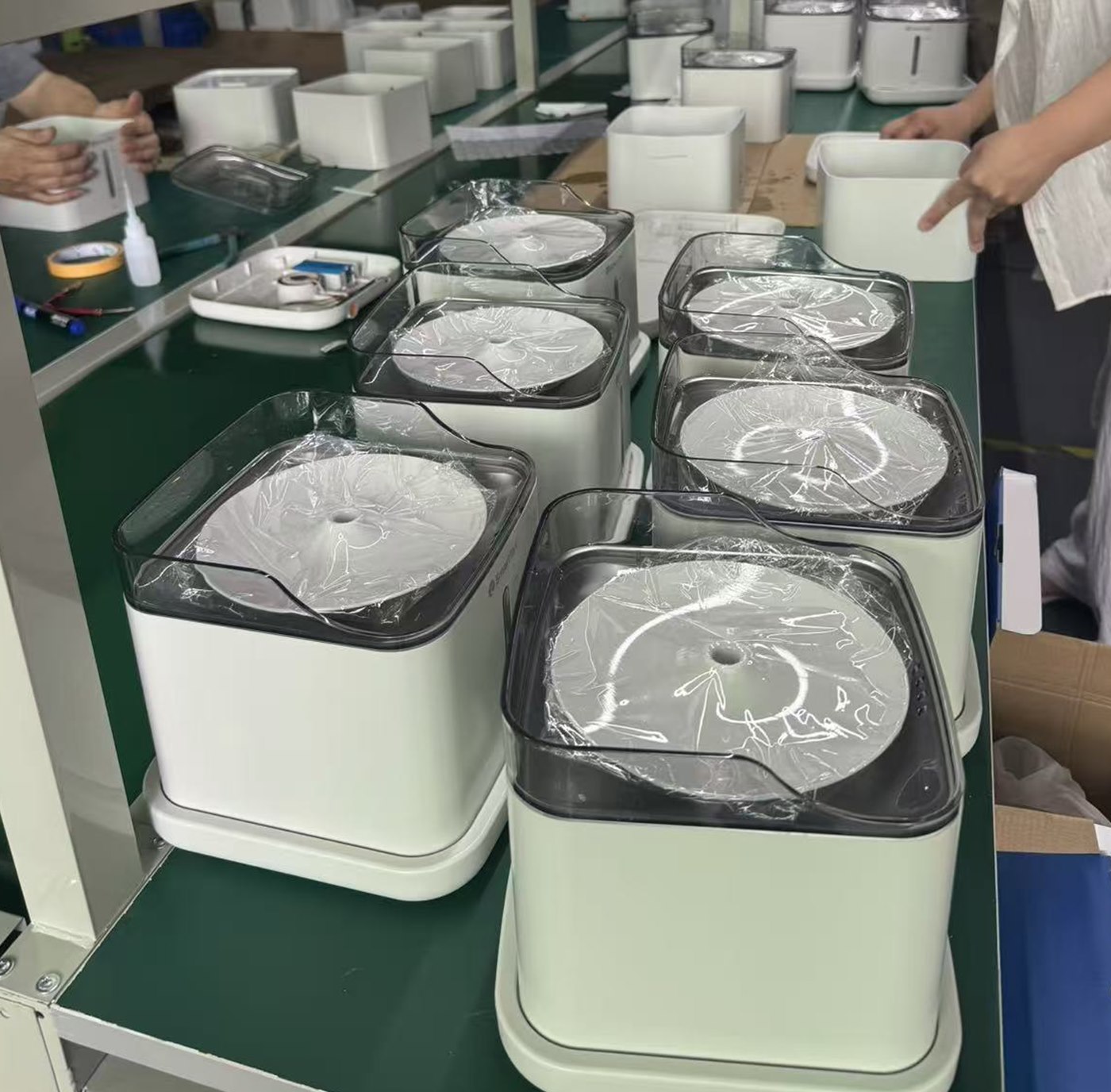
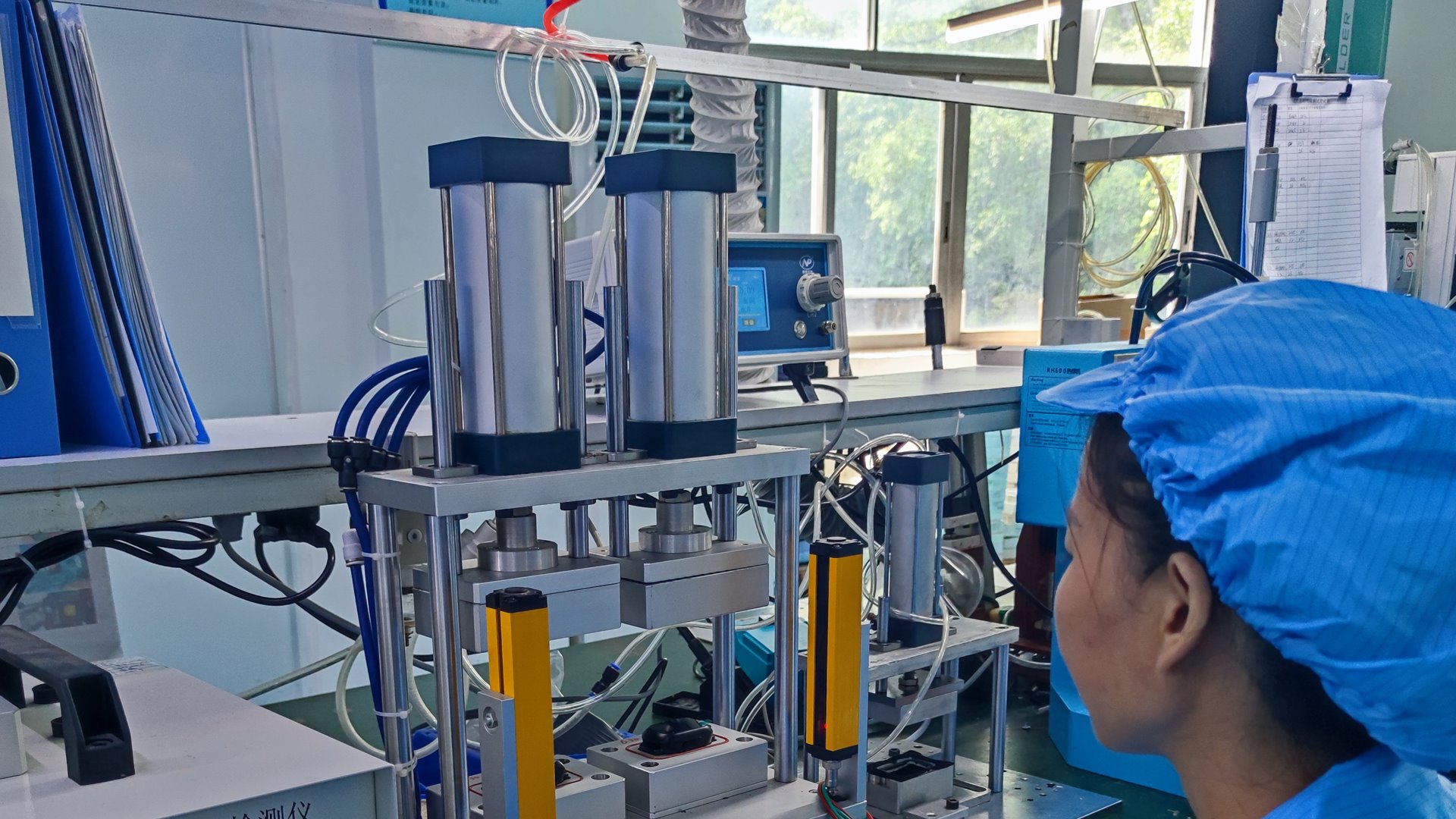
These are photographs taken on the production line, not staged renders. They come from smart pet product projects — including smart litter boxes, fountains, feeders and other smart pet appliances — and show what the checkpoints in section 02 and 05 physically look like when they run.

Operator at an air-leak tightness test station checking a smart litter box base unit
Functional CheckAir-leak tightness test · smart litter box
Powered rack holding multiple smart litter boxes running a continuous operation check
Powered Operation RunContinuous operation check · racked units
Operator loading a drum motor assembly onto a test bench fixture for a function check
Assembly VerificationDrum motor fixture test
Finished smart litter boxes on a line with protective film applied over the drum opening before packing
Packaging ReviewSurface protection applied before cartoning
Pneumatic air-leak tightness test station at a smart pet appliance production line
In-Process ControlLeak test station at the line

On scope. The photographs above document real checks across smart pet product projects. They are examples of how GuardHound-run checkpoints operate in practice — they are not a claim that every product category is tested in exactly this way. Checkpoint content is agreed per project, because a plush accessory and a mains-powered appliance do not carry the same risk profile. Additional evidence for a specific programme is shared directly with the buyer handling that project.

05 · Control points

Where control is applied, and what happens if it fails.

Four control points carry the programme. For each one: what is actually examined, and the action taken when something does not pass.

01Incoming

What is checked

Components, electronics, plastics and printed materials are compared against the approved sample, the specification and the agreed packing list on receipt. Quantities are counted and obvious transit damage is recorded before the goods enter stock.

If an issue is found

The affected batch is held and not released to the line. The supplier is notified with the specific defect identified, and the batch is either returned, sorted with the supplier's agreement, or replaced. Production does not start on unverified material.

02During Production

What is checked

Assigned checks at defined stations along the line — assembly correctness, wiring and connections, fit of key parts, and appearance. Units are also powered and exercised so that motors, sensors and controls are verified running, not just fitted.

If an issue is found

The line stops at that station, or the affected units are pulled and quarantined. The station is corrected and re-verified before output resumes, so the same fault is not repeated down the batch.

03Before Packing

What is checked

Finished units are reviewed against the approved sample for appearance and completeness. Contents, accessories, labels, documents and market-specific markings are confirmed, and transport protection is checked against the shipping mode.

If an issue is found

Units are pulled back from the packing station and corrected or replaced. Missing or incorrect accessories and labels are fixed before the carton is sealed — a sealed carton is treated as a closed unit.

04Before Shipment

What is checked

Final verification before the goods leave: shipped quantity against the order, carton count and condition, label and marking accuracy, and selected functional checks drawn from the finished lot.

If an issue is found

Shipment is held. The affected portion is re-checked against the order, corrected and re-verified before loading. Goods are released to the forwarder only once the discrepancy is closed.

06 · Non-conformance

When an issue is found, it does not move forward unnoticed.

No production process runs without defects. What matters to a buyer is whether a defect is contained and corrected, or shipped. GuardHound works to a simple containment sequence.

STEP 01
Issue identified

A checkpoint fails, or a defect is reported from the line or from the buyer.

STEP 02
Unit or lot isolated

The affected units — and where relevant the whole lot — are pulled and held out of the flow.

STEP 03
Cause reviewed

The station, component or process step that produced the defect is identified.

STEP 04
Correction made

The affected units are reworked or replaced, and the process step is corrected at source.

STEP 05
Re-check

The corrected units and the corrected process are put back through the same check that failed.

STEP 06
Release on verification

The goods move on only after the re-check passes. Nothing is released on an assumption.

What we do not claim: GuardHound does not position this as a certified formal quality system, and we do not publish a zero-defect rate. The sequence above is the working containment discipline applied to production — containment first, correction at source, release only on re-verification.

07 · Pre-shipment

What is verified before the goods leave.

The last control point is the one that protects the buyer's cash and schedule. It confirms that what was ordered is what is about to be loaded.

ItemWhat it confirms
ProductCorrect model, colourway and configuration against the approved sample and PO.
QuantityShipped units and carton count reconciled against the order.
AccessoriesAll components, cables, filters, spares and inserts present in the correct quantity.
PackagingInner protection, carton build and sealing appropriate to the shipping mode.
LabelsShipping marks, barcodes and market-specific markings correct and legible.
Carton conditionNo crushing, water damage or handling damage before loading.
Selected functional checksDrawn from the finished lot and exercised again to confirm units still operate after packing.

What a buyer can receive

  • Inspection photographs — condition and packing record from the final check.
  • Packing evidence — how the goods were configured and protected before sealing.
  • Project-specific records — the check records agreed for that programme.
  • Issue notification — if a discrepancy is found, the buyer is told before loading, not after arrival.

The exact record set is agreed per project, because it follows the checkpoints in that project's plan. Not every programme carries the same documentation, and a full third-party inspection report for every order is not something this page claims.

Need a defined quality plan for your project?

Quality requirements vary by product, market and project stage. GuardHound can align inspection checkpoints with your sourcing and production requirements.